
Ваза для цветов (Фарфор, разделка золотом, эмалями - Китай, вторая половина XIX века)
Скидка 49000Р
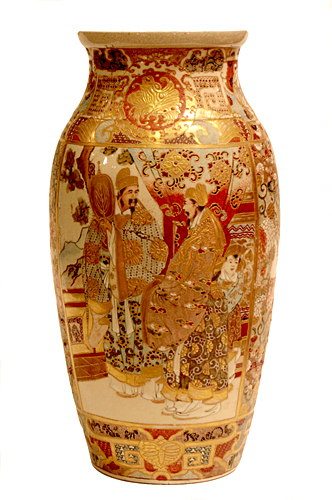
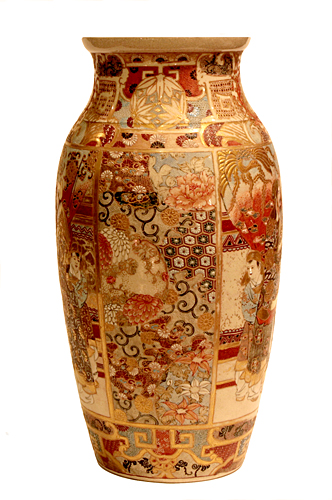
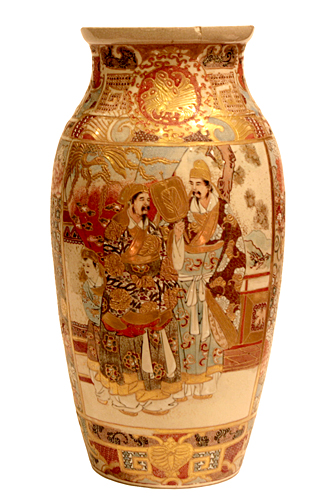
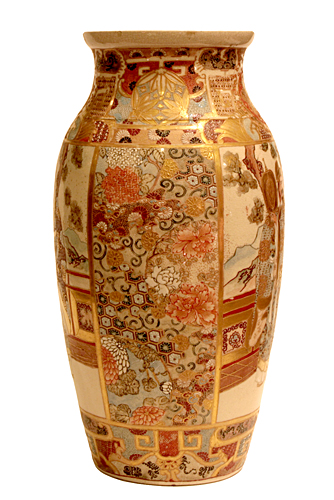


Книга "Ваза для цветов (Фарфор, разделка золотом, эмалями - Китай, вторая половина XIX века)" представляет собой подробное описание и исследование вазы-декоративного предмета из Китая, созданной во второй половине XIX века. Ваза выполнена из фарфора и украшена различными техниками, такими как разделка золотом и эмалями.
Книга начинается с исторического введения, где автор описывает период, в котором была создана данная ваза. Он рассказывает о культурных и художественных тенденциях того времени, особенностях китайской керамики и влиянии западной культуры на процесс создания и дизайна китайских предметов искусства.
Затем автор переходит к детальному описанию самой вазы. Он описывает ее размеры, форму, декоративные элементы и особенности техник, использованных при создании. Он также рассматривает источники вдохновения для дизайна и влияние других культур и стилей на эту конкретную вазу.
Далее автор проводит анализ и интерпретацию значимости этой вазы в контексте искусства того времени. Он исследует ее значение как предмета коллекционирования, уникального произведения искусства и символа культурного наследия. Он также рассматривает вазу в социальном и историческом контексте, показывая ее связь с технологическими достижениями и общественными трендами того времени.
В конце книги автор делает выводы о значении исследуемой вазы и ее месте в истории искусства. Он обсуждает ее ценность как исторического и художественного объекта и ее влияние на современные коллекционеры и исследователей.
Book description:
"Flower Vase (Porcelain, Gold Inlay, Enamels - China, Second Half of the 19th Century)" is a detailed description and study of a decorative vase from China, created in the second half of the 19th century. The vase is made of porcelain and adorned with various techniques such as gold inlay and enamels.
The book begins with a historical introduction, where the author describes the period in which the vase was created. He discusses the cultural and artistic trends of that time, the characteristics of Chinese ceramics, and the influence of Western culture on the process of creating and designing Chinese works of art.
The author then goes on to provide a detailed description of the vase itself. He describes its dimensions, shape, decorative elements, and the techniques used in its creation. He also examines the sources of inspiration for the design and the influence of other cultures and styles on this particular vase.
Further, the author analyzes and interprets the significance of this vase in the context of the art of that time. He explores its value as a collector's item, a unique work of art, and a symbol of cultural heritage. He also considers the vase in a social and historical context, showing its connection to technological achievements and societal trends of that time.
In the end, the author draws conclusions about the significance of the studied vase and its place in the history of art. He discusses its value as a historical and artistic object and its influence on contemporary collectors and researchers.
Книга начинается с исторического введения, где автор описывает период, в котором была создана данная ваза. Он рассказывает о культурных и художественных тенденциях того времени, особенностях китайской керамики и влиянии западной культуры на процесс создания и дизайна китайских предметов искусства.
Затем автор переходит к детальному описанию самой вазы. Он описывает ее размеры, форму, декоративные элементы и особенности техник, использованных при создании. Он также рассматривает источники вдохновения для дизайна и влияние других культур и стилей на эту конкретную вазу.
Далее автор проводит анализ и интерпретацию значимости этой вазы в контексте искусства того времени. Он исследует ее значение как предмета коллекционирования, уникального произведения искусства и символа культурного наследия. Он также рассматривает вазу в социальном и историческом контексте, показывая ее связь с технологическими достижениями и общественными трендами того времени.
В конце книги автор делает выводы о значении исследуемой вазы и ее месте в истории искусства. Он обсуждает ее ценность как исторического и художественного объекта и ее влияние на современные коллекционеры и исследователей.
Book description:
"Flower Vase (Porcelain, Gold Inlay, Enamels - China, Second Half of the 19th Century)" is a detailed description and study of a decorative vase from China, created in the second half of the 19th century. The vase is made of porcelain and adorned with various techniques such as gold inlay and enamels.
The book begins with a historical introduction, where the author describes the period in which the vase was created. He discusses the cultural and artistic trends of that time, the characteristics of Chinese ceramics, and the influence of Western culture on the process of creating and designing Chinese works of art.
The author then goes on to provide a detailed description of the vase itself. He describes its dimensions, shape, decorative elements, and the techniques used in its creation. He also examines the sources of inspiration for the design and the influence of other cultures and styles on this particular vase.
Further, the author analyzes and interprets the significance of this vase in the context of the art of that time. He explores its value as a collector's item, a unique work of art, and a symbol of cultural heritage. He also considers the vase in a social and historical context, showing its connection to technological achievements and societal trends of that time.
In the end, the author draws conclusions about the significance of the studied vase and its place in the history of art. He discusses its value as a historical and artistic object and its influence on contemporary collectors and researchers.